
If you’ve ever had to leave a doctor’s appointment holding the prescription for an MRI, CT scan, or X-ray, you might have wondered why the particular test was chosen. In the end, every one shows images of what’s happening inside the body. Why aren’t they interchangeable?
Diagnostic imaging today is more of the toolbox. The information provided by each technology is different, and it depends on what part of the body you are considering and what medical problem you’re trying find the answer to. At the Wolfsburg Diagnostic Center, a variety of imaging technologies are available so tests can be adjusted to the various needs of diagnostics.
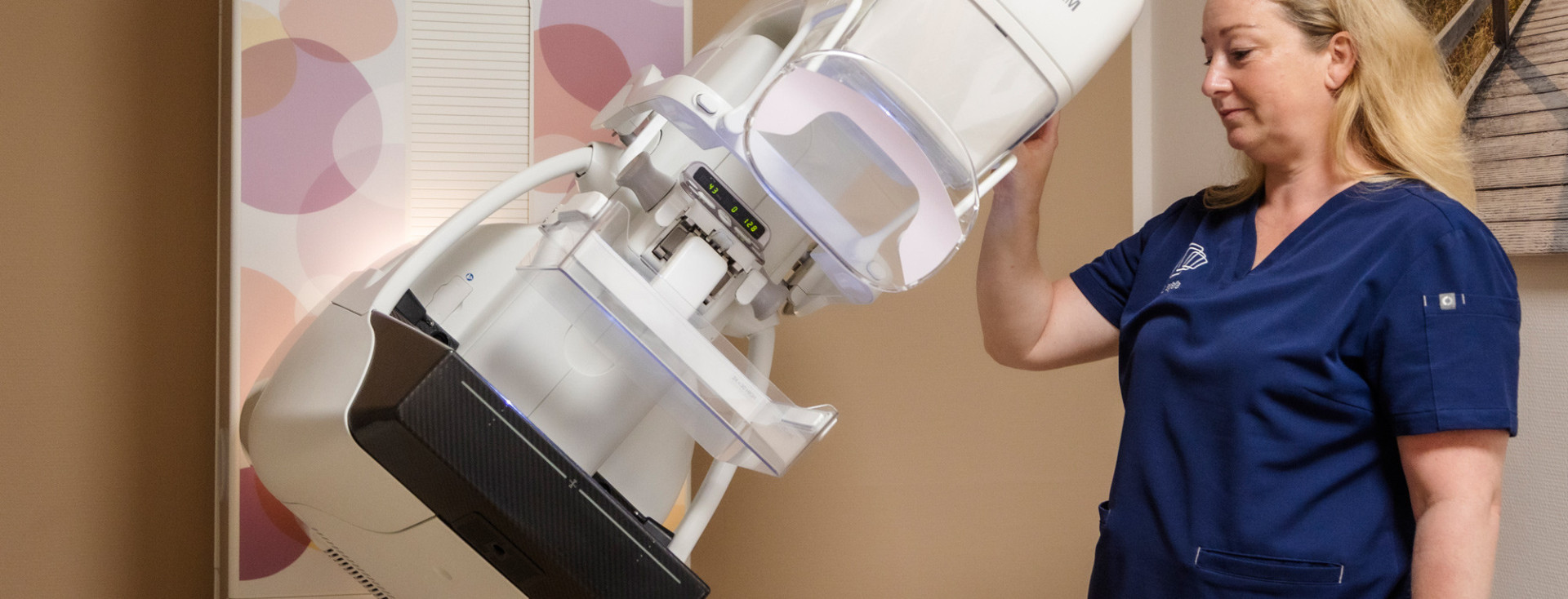
Image credit: diagnostikzentrum-wolfsburg.de
MRI does not use ionizing Radiation to Examine the Body
Magnetic resonance imaging (MRI), also known as MRI makes use of magnetic fields and radiofrequency technology rather than ionizing radiation to create precise images. MRI is particularly helpful for seeing a variety of organs, soft tissues joints, as well as other internal structures. Patients suffering from joint pain, for instance, may require more information than what can be gathered by an ordinary Xray.
The Wolfsburg Diagnostic Center offers prostate whole-body MRIs as well as prostate. These programs are based on the ability of MRI to produce detailed images without exposing patients to ionizing radiation.
CT Creates Detailed Cross-Sectional Images
CT approaches imaging in a different way. CT uses X Rays together with computer-generated processing to produce a cross-sectional image of the body to produce high-quality images. Instead of creating a single normal image, CT allows internal anatomy to be viewed by cutting slices, providing doctors with a new method of investigating certain medical concerns. For more information, click here röntgenreizbestrahlung in der nähe
The center utilizes low-dose CT, a modern technology that reduces radiation exposure to obtain diagnostic information. CT imaging is also able to assist in the treatment process. Periradicular treatment, also known as PRT is a specific injection therapy that makes use of CT guidance.
The familiy X-Ray Still serves an important Function
Modern technology hasn’t rendered conventional radiography obsolete. Digital X-rays can be useful in a wide range of scenarios, but especially when doctors must examine bone structures, for instance. Modern digital systems also utilize less radiation than traditional methods.
Sometimes, the most sophisticated exam isn’t automatically the most appropriate one. It is crucial to select a technology which is most effective in answering medical questions rather than the most recent technology.
Breast Imaging has its own specific technology
Mammography is specifically designed for breast diagnosis. Wolfsburg Diagnostic Center offers 3D mammography as well as the conventional mammography. This is also called tomosynthesis. The technology creates multiple images that can be reconfigured to give a multi-layered view of breast tissue. The specificity of the imaging process is that various areas of the body offer different challenges for diagnosis.
An Old Image Can Make a New Image More Useful
The scan of the body offers valuable information. Comparisons with previous exams can be equally valuable.
If doctors have older images and results and results, they’ll be better equipped to evaluate the changes in time rather than interpret the current exam as a whole. That’s why patients are encouraged to bring any previous images or medical results to appointments as often as they can.
Understanding the process assists patients better understand technology.
The Wolfsburg Diagnostic Center combines MRI and CT with digital X-rays, 3D mammography and image-guided therapies. It is focused on patient communication and coordination.
Patient explanations and videos are provided to help patients better understand medical procedures. A coordinated schedule, short waiting periods and a focused method are all part of the center’s philosophy. Modern diagnostic medicine is dependent on sophisticated technology, but a scanner shouldn’t be a mysterious technical procedure.
Understanding the purpose and what you can be expecting from an exam can make patients feel more confident. It can also make the most advanced medical technology easier to comprehend.