
The time of the opening day is not the best time to assess a park’s success. In five, ten or 20 years after the opening is a good time to check out the park. Does the restroom remain simple to maintain? Have the materials remained in good condition despite constant outdoor use and weather? Does the structure fit naturally in the park? In addition did the original plan translate into a building that actually performs?
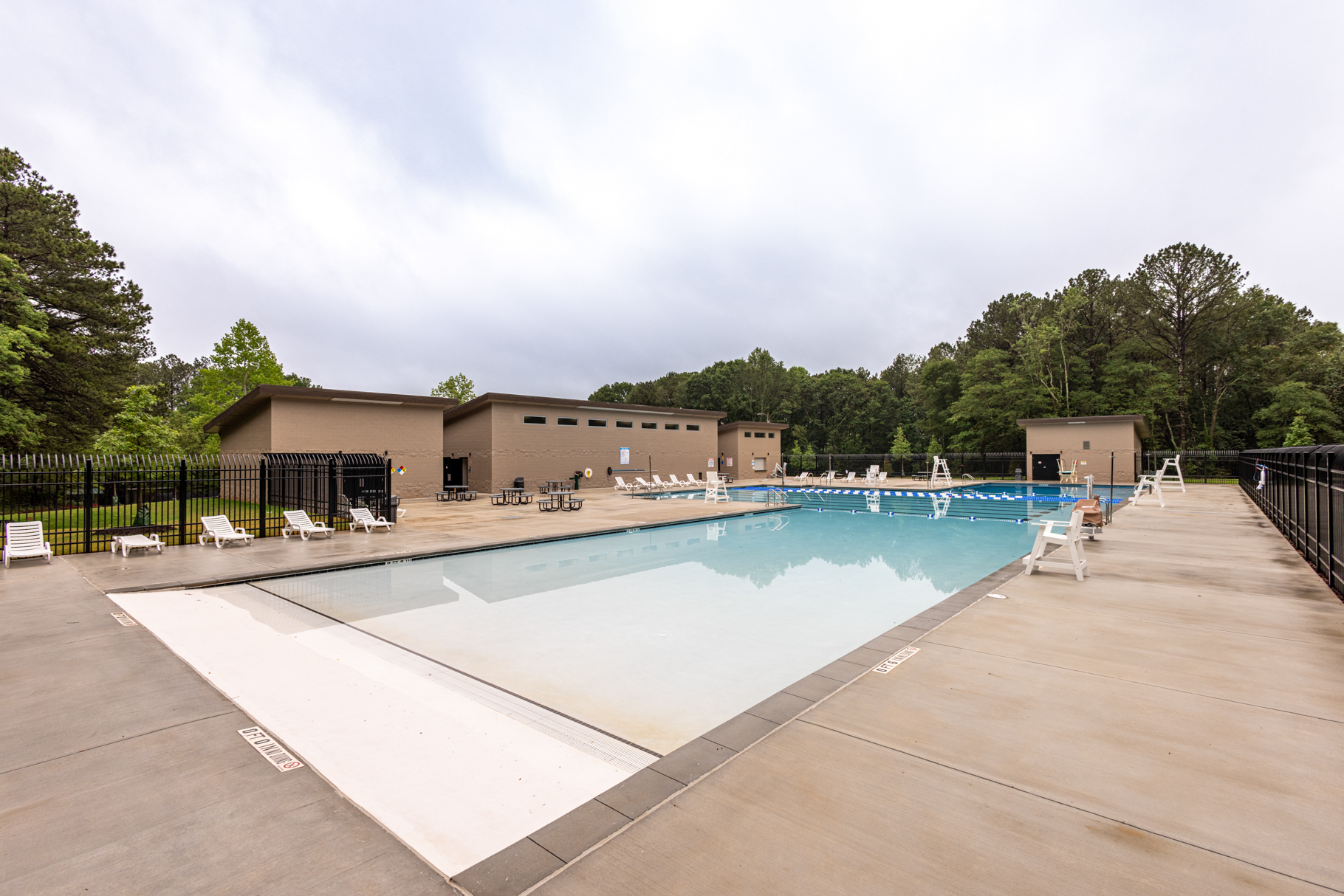
Image credit: romtec.com
Those questions illustrate why selecting the most effective park design involves more than comparing attractive renderings. Public architecture should endure permitting, bidding and construction. Additionally, it must be maintained for years of use.
The Design Decisions You Make have operational consequences.
It’s as easy as the finish on an exterior. It can impact the look but also the requirements for cleaning as well as repair costs, weather resistance and the methods to remove graffiti. Roof design can reinforce the aesthetics of a park while also altering maintenance and drainage. Interior layouts can affect accessibility and cleaning schedules, as well as movement of people and fixtures.
The best design of parks’ restrooms should think about both the structure as well as the operational aspects.
Romtec works with landscape architects and contractors as and municipalities to build customized bathrooms. This is an alternative to standardizing appearances. Materials, shapes and colors can be coordinated to the surroundings.
The Drawing Needs to Be a Real Building
Although a concept may look great on screen, it can still cause problems in the real world when it comes to pricing or construction. All of these elements are considered: construction codes, ADA regulations, local architectural review, available components for construction, structural requirements, costs, etc.
Romtec offers assistance to projects through preliminary designs, estimates, and bid plans. We also offer specifications, renderings, and engineered plans, too. This helps carry the idea of architecture from early conception to construction, procurement and even.
This middle section of the construction project should be taken into consideration by the owner in selecting the most appropriate park bathroom contractor. This is where there are no specifications, poor material selections, and insufficient coordination could lead to costly.
Infrastructure is Public Restrooms
It is easy to think of public restroom buildings as accessories to the larger park. In terms of operation they are more similar to infrastructure.
In a restroom that is busy family members, children, and seniors may use it as maintenance workers visitors, maintenance crews, tourists or even visitors with disabilities. Depending upon the project, planners might need to take into consideration ADA accessibility as well as sturdy surfaces utility, vandal resistance as well as energy efficiency and cleaning accessibility.
A campground differs from central parks. A sports center could see high traffic during games, while a neighborhood facility may see some moderate, but regular use. Instead of addressing these differences in the aftermath of construction, they need to be considered in the design of the building.
Budgeting without planning everything out
In public construction it is impossible to get around cost control This doesn’t mean that every feature must be removed.
Understanding the cost of construction and materials in advance will assist designers to make better choices. A feature with minimal value for operation can be changed to a more durable, more functional material, or an architectural component that is more valuable.
Romtec’s experience with restrooms and concessions shelters, as well as showers and multi-purpose facilities allows for these conversations even though designs are not closed.
The fact is that a good-designed park toilet is a success simply because people don’t need to think about it. It is accessible, easy to locate, suitable to its surroundings, durable and designed for decades of public use. The apparent simplicity conceals a complex combination of engineering, architecture budgeting, and documentation.