
One buyer is drawn to the shade, yet after a few hours the cap becomes a source of discomfort. A second customer likes the realistic hairline, yet would rather avoid a twenty-minute lace adjustment routine each morning. The unit is visually appealing, but a different buyer finds the hair density surprisingly heavy once it is worn.
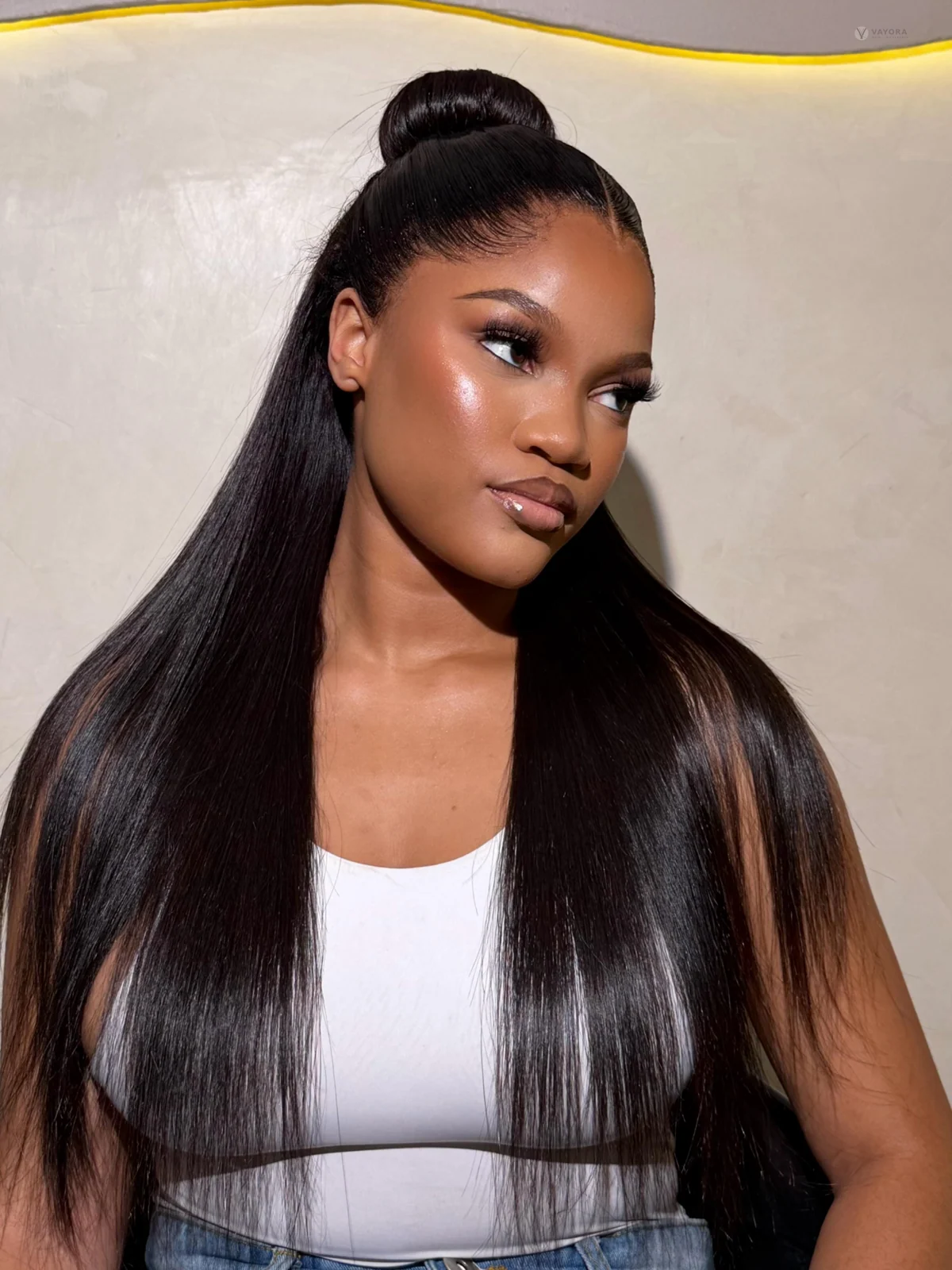
Image credit: vayorahair.com
For a wig brand, these comments are more than customer feedback. They point toward opportunities to create wigs customers take pleasure in wearing.
Successful wig collections aren’t necessarily built around the latest viral hairstyle. A collection should begin with the wearer’s needs and the experience they want once the wig is on.
Pay Attention to the Order
Buyers seldom use production terminology to explain what they need. They talk about comfort, convenience, appearance, and confidence. A glueless construction could be one response to feedback about making mornings easier. Complaints about an unnatural hairline could indicate that lace appearance, knot treatment, density, or parting design needs attention.
The human hair wig manufacturer China brands select should convert such everyday feedback into product specifications that can be measured.
Instead of simply requesting a 22-inch body-wave wig, a buyer can define the intended wearing experience, cap fit, lace construction, hairline appearance, and finished weight. Such detail provides the development team with a better-defined target.
Make Your Private Label Collection Recognizable
A common pitfall for developing wig brands is to stock their catalogs according to whatever is popular at the time. Such an approach can leave the brand with a collection that is difficult to distinguish from competitors’ offerings.
Working with a private label wig manufacturer China retailers can collaborate with allows brands to develop a more consistent product identity. That might mean creating a lightweight everyday collection, a premium natural-hairline range, or ready-to-wear wigs designed for customers who prefer minimal preparation. Every choice, from texture, length, and color to density, cap construction, and packaging, should reinforce the same promise to customers. Rather than relying solely on temporary price incentives, a recognizable collection offers shoppers another motivation to shop again.
Glueless Design Depend on More Than Terminology
Although the word “glueless” sounds straightforward, the experience of wearing the wig depends on several design details. Cap sizing, adjustment features, attachment components, lace preparation, and hairline design all influence how comfortably and securely a wig fits.
A buyer working with a glueless wig manufacturer China brands select should expect help in establishing these requirements prior to production. A brand serving customers new to wigs, for instance, might focus on manageable density, pre-cut lace, and straightforward adjustment features. The customization options for a professional stylist’s collection may be different. Neither approach is automatically better. The two approaches address the needs of distinct audiences.
Sample Review and Brand Reputation
A picture of a wig cannot reveal all the characteristics of the wig. A buyer should assess how the cap fits and the hair moves, check the color against expectations, and verify whether the finished construction matches the approved design. The sample stage creates an opportunity to identify discrepancies ahead of a larger production order.
Repeat production makes documented specifications and quality-control procedures especially valuable for a wholesale human hair wigs supplier. The success of the first batch may be difficult to repeat without clear references.
Growing a Wig Collection With a Clear Direction
For B2B wig brands, retailers, and distributors, VAYORA supports product development, private label services, sampling, specification control, and repeat-production workflows. Physical details that affect the look, fit, and feel of a wig are connected to customer expectations through this approach.
A catalog expansion should follow a thoughtful assessment of customer feedback, identification of the strongest product opportunities, and establishment of clear approval standards. The next successful collection may not require more styles. The greater opportunity may lie in reducing trade-offs in existing desirable styles.