
The Braids Look Beautiful in the Photo. But Will They Work for Your Everyday Life?
The braid style that catches your eye online may not be the style that makes everyday life easier. A person balancing long workdays and frequent workouts may need hair that stays comfortably away from her face. Although long braids could be her favorite look, their additional weight and care requirements may be inconvenient. Someone else may want an elaborate style for a special celebration and happily spend extra time preparing for it.
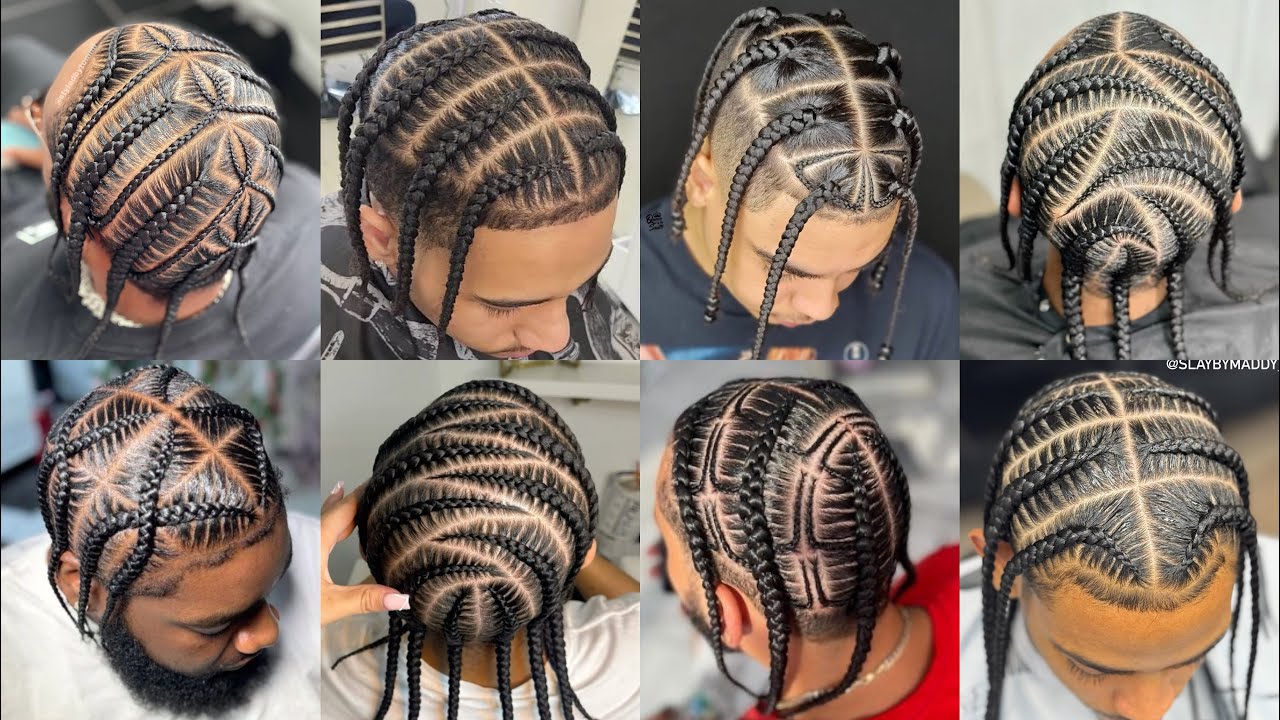
Neither person needs the same braiding appointment. When visiting a braiding salon on Westheimer in West Houston, start by explaining your everyday activities and expectations before settling on a particular look. Discussing routine and comfort first gives the stylist more information than a picture alone can provide.
A Good Braid Style Should Work With Your Schedule
A braided hairstyle may make day-to-day grooming easier without making every stage of the process effortless. Smaller knotless braids involve many individual sections and create a finely detailed appearance. That detail allows styling versatility, but clients should allow additional time for installation and takedown.
For clients who want a defined look without as many individual sections, medium-sized knotless braids offer a middle ground. Large knotless braids produce a bolder appearance with fewer individual braids, making them appealing to customers who prefer a less intricate finish.
Before choosing a length or braid size, clients at WOW African Hair Braiding Westheimer can ask how the options differ. Bring a picture if it helps explain your goal, while remembering that an image cannot tell you the finished hairstyle’s weight or how much added hair it contains.
Why Tight Braids Are Not a Requirement for Beauty
A common misconception is that tight braids are necessary for a neat, long-lasting appearance. That belief can be harmful: too much pulling may irritate the scalp and contribute to traction alopecia, which is hair loss linked to repeated tension. Repeated pulling deserves attention because the hairline and scalp may be affected even when the braids look neat from the outside.
Speak up as soon as you experience scalp pain while your braids are being installed. Tell the stylist right away rather than assuming pain is part of the process. Factors such as natural hair health, sensitive edges, added-hair weight, and braid length can affect the experience. Customers who regularly wear their braids in buns or ponytails should also discuss how those styling habits may affect tension around the edges. If you expect to wear high buns or ponytails often, mention that before installation so the potential pull around your edges can be discussed.
What to Know Before Choosing Loose-Curl Braids
Boho-inspired designs often combine braids with free-flowing curls, creating movement and a textured finish that differs from traditional box and knotless styles.
The finished appearance can change with the type of extension hair, the curl pattern, and where loose strands are placed. Customers interested in Goddess Braids in West Houston should confirm the exact style and required hair before their appointment.
Not every Boho or Goddess style can be completed using hair available at the salon. Certain designs call for human hair with a wavy texture that customers need to bring themselves. It is also worth asking how the loose curls should be maintained, since they may need different care from the braided sections. Because the loose sections may behave differently from the braids, ask how to care for both parts of the finished hairstyle.
Braiding Choices for Different Members of the Family
Braiding preferences vary across ages, different hair textures, and personal styles. Some customers want a practical protective hairdo for everyday wear. Others prefer intricate patterns, twists, or a distinctive look for a special event.
WOW African Hair Braiding serves women, men, and children in Houston’s Westchase and Briar Forest area. The salon’s Westheimer braiding services cover both classic and modern looks, including box braids and knotless-braid styles.
A Reference Photo Is Only Part of the Plan
A little preparation can make a braiding consultation more useful. Decide what length appeals to you, how much installation time fits your schedule, and what daily upkeep you are willing to do. Bring reference images that clearly illustrate your desired braid size and length.
Be sure to mention past scalp discomfort, sensitivity, or painful installations. A beautiful result matters, but so does the experience of wearing it. The finished braids should also be manageable for your schedule, appropriate for your hair, and easy to wear in day-to-day life. When the style is comfortable and realistic for your routine, the photograph becomes inspiration rather than an unrealistic promise.